Most of us think of home decor in terms of trends, aesthetics, or functionality. Paint colors, furniture choices, lighting — it’s about what looks good or what “goes” with the rest of the room.
But what if we thought about it differently? Not just how a space looks — but how it feels. How it affects your mood, your energy, your focus, even your relationships.
The truth is, your home is more than a backdrop. It’s the environment you live your daily life in. The colors on the walls, the light in the morning, the way your furniture flows — all of it speaks to your brain, even when you’re not consciously noticing.
Welcome to the world of home decor psychology — where design isn’t just about style, but about emotional well-being.
Here’s how you can start designing spaces that make you feel better, not just look better.
Why Your Space Affects Your Mind
Have you ever walked into a cluttered room and felt instantly tense? Or stepped into a hotel lobby and felt calm without knowing why?
That’s not an accident. Environments shape our internal experience.
Lighting influences sleep and alertness. Colors can impact emotions. Crowded or chaotic spaces can increase anxiety, while open, orderly ones can create a sense of calm.
Your home can either recharge you — or drain you.
The good news? You don’t need a degree in psychology or an interior design budget to make positive changes. You just need awareness — and a willingness to pay attention to how your space feels, not just how it looks on Instagram.
1. Start With How You Want to Feel
Before you move furniture or pick out paint swatches, ask this:
“How do I want to feel in this room?”
That question alone can shift everything. For example:
- In a bedroom, you might want to feel relaxed and grounded.
- In a workspace, focused and energized.
- In a living room, cozy and connected.
Once you know the feeling you’re aiming for, design decisions start to feel more intuitive — and personal.
2. Color Matters More Than You Think
Color is one of the most powerful emotional cues in any space. And while there are general guidelines (blue = calming, yellow = energizing), context and personality matter.
Here are a few insights from color psychology — not rules, just useful observations:
- Blue: Often calming, great for bedrooms or bathrooms. Think sky, water, stillness.
- Green: Restorative and fresh. Reminds us of nature and growth. Ideal for living spaces or kitchens.
- Yellow: Bright and energizing, but too much can be overstimulating. Works well in smaller doses.
- Red: Warm, passionate, but also intense. Better used in accents than full walls.
- Neutrals (beige, taupe, grey): Create grounding backdrops. Great for layering texture and avoiding visual noise.
Pro tip: Don’t just choose colors based on trends. Choose them based on how they make you feel. Sit with swatches. See how they look at different times of day. Your nervous system will tell you what feels right.
3. Light Is Everything
Lighting isn’t just about visibility — it’s about mood. Natural light, in particular, has a profound impact on mental health.
- Maximize daylight where you can. Open curtains. Use mirrors to reflect light deeper into a room.
- Avoid harsh overhead lighting in places of rest. Use lamps, candles, or wall sconces to create soft, layered light.
- Pay attention to color temperature: warm bulbs (2700–3000K) are cozy and relaxing, ideal for evenings. Cooler bulbs (4000–5000K) are energizing, better for daytime and workspaces.
If you struggle with focus, energy dips, or mood slumps — try adjusting your lighting before assuming it’s something deeper.
4. Declutter — But Don’t Sterilize
There’s a reason clutter makes people anxious. It sends a signal to your brain that there are things left undone — decisions unmade, messes unresolved.
But “declutter” doesn’t mean strip your home of personality.
It means intentionality. Keep what you love. Let go of what drags you down. Make space not just physically, but mentally.
The goal isn’t minimalism for its own sake — it’s breathing room.
Create pockets of clarity. Clear your nightstand. Tidy your entryway. Let your kitchen counter have moments of rest.
5. Add Texture, Not Just Things
A common mistake in decorating is focusing only on visuals — flat surfaces, matching colors, trendy objects.
But texture is what makes a space feel alive.
- Soft throw blankets.
- Natural wood or stone elements.
- Woven baskets or rugs.
- Linen curtains instead of synthetic ones.
Even something as simple as an old ceramic bowl or a wool pillow can shift the emotional tone of a room. Texture invites the body in — and grounds you in the physical world.
6. Plants Change Everything
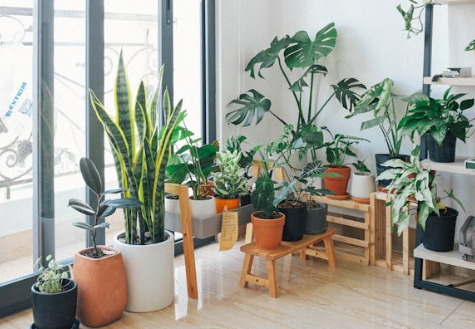
There’s something deeply calming about living things. Even a single plant can transform a room.
You don’t need to turn your living room into a jungle. Start with a snake plant, pothos, or a peace lily — all low-maintenance and forgiving.
Plants bring a sense of rhythm and care to your environment. Watering them becomes a ritual. Watching them grow reminds you that you are, too.
7. Create a “Reset Corner”
This isn’t about Pinterest-worthy nooks. It’s about carving out one spot — even a chair by a window — where you can pause.
No screens. No multitasking.
Just you, maybe a cup of tea, maybe a book, maybe nothing at all.
In a world full of stimulation, a reset corner is an invitation to just be.
8. Let Your Home Reflect You — Not Just Trends
It’s easy to fall into the trap of copying what you see online. The minimalist Scandinavian aesthetic. The mid-century modern wave. The beige-on-beige Instagram grid.
But the most powerful spaces are the ones that tell your story.
A photo from a trip. A shelf of worn books. A painting from your grandmother. A lamp you bought in a weird little shop.
Don’t decorate your home like a showroom. Decorate it like a mirror.
Final Thought: Your Space, Your Nervous System
Your home isn’t just where you eat and sleep. It’s where you decompress. Recharge. Dream. Heal.
If something in your space feels off, trust that instinct. If a change makes you feel lighter, follow that thread.
Home decor psychology isn’t about perfection — it’s about alignment. The more your space supports who you are (and who you’re becoming), the more at home you’ll feel in your own life.