In the age of aesthetic self-expression, the walls of our homes have become more than just shelter—they are reflections of who we are, or who we want to be. And right now, two clashing design philosophies are battling it out on social media, in magazine spreads, and in living rooms across the world: cluttercore and minimalism.
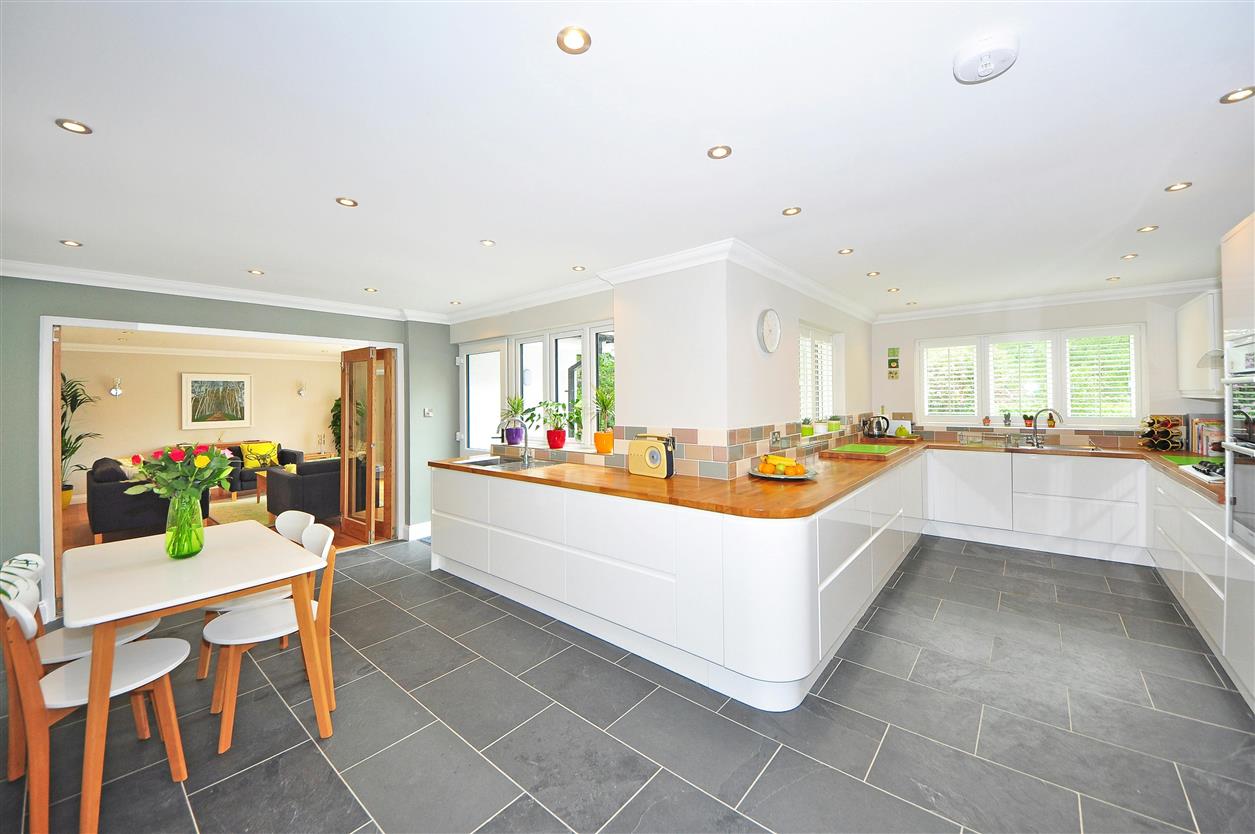
On one end sits minimalism, a serene, tidy aesthetic of white walls, clean lines, and purposeful restraint. On the other is cluttercore, a riot of colors, textures, and objects, where every inch tells a story and nothing feels too precious to be out in the open. Where minimalism whispers, cluttercore sings loudly—and with tambourines.
But this isn’t just about interior design. It’s about identity, class, memory, and even rebellion. As much as these styles dictate how our homes look, they also shape how we feel inside them. And in a time where many are redefining their lives post-pandemic, the homes we curate are caught in a tug-of-war between order and overflow.
Minimalism: The Pursuit of Less
Minimalism, in its contemporary form, found mainstream popularity in the early 2010s. Influenced by Japanese design principles, Scandinavian aesthetics, and the likes of Marie Kondo, it promised calm through control. Its message was deceptively simple: less stuff, more clarity.
It resonated in a world feeling increasingly chaotic. When inboxes were overflowing and calendars were maxed out, a blank room with a single chair and a plant felt like a vacation. It was a visual pause.
But over time, minimalism began to take on a moral undertone. Owning fewer items became equated with being more evolved—more mindful, more enlightened, more “adult.” The aesthetic appeal became entangled with lifestyle branding, and soon minimalism wasn’t just a design choice, but a declaration: “I have my life together.”
Critics, however, point out its privileges. Decluttering often assumes you have the time and emotional space to do so. Throwing things away presumes you can afford to replace them. The minimalist aesthetic, for all its appeal, began to feel performative for some—an edited version of life, rather than life itself.
Cluttercore: The Joy of Too Much
Cluttercore, on the other hand, is maximalism with a personal touch. Unlike traditional maximalism—which often focused on opulence, symmetry, and bold patterns—cluttercore is more informal, playful, and emotionally driven. It’s less about luxury and more about comfort.
In a cluttercore home, shelves overflow with books, art, trinkets, mismatched dishware, houseplants, vintage finds, and mementos. It’s not curated by interior designers—it’s layered by years of life. Objects are kept not for status, but for story.
This aesthetic exploded on TikTok during the pandemic, as people spent more time indoors and sought comfort in the familiar. The clutter wasn’t clutter—it was connection. A way to be surrounded by memories when friends and family couldn’t be.
For some, cluttercore is a rejection of the “clean girl” aesthetic, the sterile influencer apartments, and the impossible standards of order. It embraces imperfection, nostalgia, and sentimentality. It says, “This is who I am,” rather than “This is what I aspire to be.”
Aesthetic or Anxiety?
While both styles offer unique appeals, they also come with emotional consequences.
Minimalism can, paradoxically, create anxiety when lived rigidly. The pressure to maintain an always-pristine home can make people feel like they’re failing if life gets messy—which, of course, it inevitably does. If a style centered around clarity starts to feel restrictive, it might not be clarity at all—it might be denial.
Cluttercore, by contrast, can lead to sensory overload. While it embraces chaos, living in a visually busy space can be exhausting for some. There’s a fine line between comfort and claustrophobia, and without a bit of editing, even the most meaningful collection can become oppressive.
This makes interior choices not just about taste—but temperament.
The Role of Class and Culture
Beneath the surface of the cluttercore vs. minimalism divide is a conversation about class and cultural identity.
Minimalism is often associated with wealth—even though it champions owning less. The minimalist ideal, ironically, requires significant resources: custom cabinetry, hidden storage, furniture designed for aesthetics more than comfort. It often erases the traces of everyday living.
Cluttercore, meanwhile, can be more accessible. It values objects picked up at flea markets, inherited from grandparents, or found at thrift stores. It also resonates with cultural traditions where keeping family items or layering decor is common—not clutter, but custom.
In this sense, cluttercore can feel more inclusive, more real, more lived-in. But it can also be misinterpreted as mess or lack of discipline by those who still see minimalism as aspirational.
The Middle Ground: Intentional Living
Perhaps the real crisis isn’t choosing between cluttercore and minimalism—but believing we have to choose at all.
A growing number of people are blending the two: minimalist-maximalists, if you will. They’re curating spaces that are clean but not sterile, full of objects but not overwhelmed by them. A neutral-toned sofa with bold artwork. A tidy kitchen with open shelves of colorful mugs. A pared-back bedroom with a wall of books.
This hybrid approach doesn’t fit neatly into an Instagram label, but it reflects real life better. It asks: What do I need to feel at peace in my space? What brings me joy without bringing chaos?
And ultimately, that may be the healthiest design philosophy of all.

Final Thoughts
Our homes are deeply personal—especially now, when so many of us work, rest, and even socialize within them. The tension between cluttercore and minimalism isn’t just a matter of taste. It’s about how we navigate comfort, control, memory, and meaning.
Minimalism offers quiet. Cluttercore offers comfort. Each has its place, and neither is right or wrong. But the real measure of a home isn’t how it looks on social media. It’s how you feel when you walk through the door.
So whether your walls are bare or covered in postcards, whether your kitchen sparkles or hums with controlled chaos—the question isn’t what aesthetic you live in. It’s whether it feels like you.