Disclosure / Affiliate Notice:
As an Amazon Associate I earn from qualifying purchases.
Some links in this article may be affiliate links that earn me a commission at no extra cost to you.
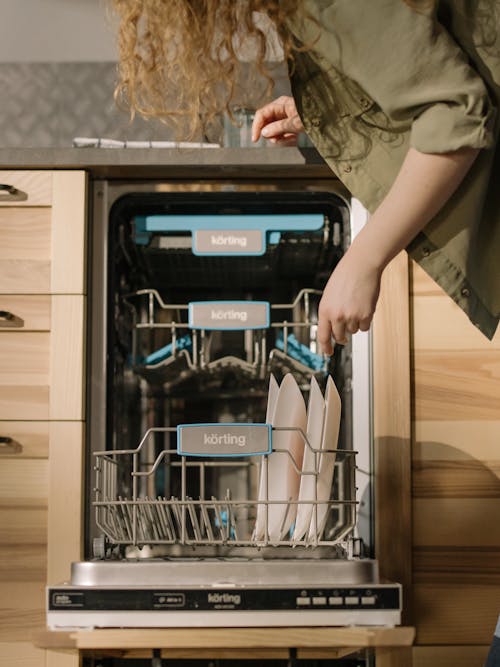
It usually begins with something small. The dishwasher takes longer than expected, the fridge hums louder at night, or the vacuum suddenly needs two passes instead of one. Home appliances rarely fail all at once—they shift gradually, and those small changes end up affecting how a day feels.
When Convenience Turns Into Friction
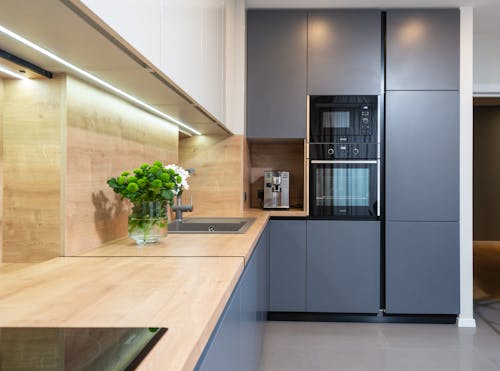
A machine is supposed to save time, but that only works if it fits naturally into daily routines.
This becomes noticeable when:
- a washing cycle runs longer than your schedule allows
- controls require multiple steps for simple tasks
- filters or compartments are awkward to access
In these cases, the issue isn’t whether the appliance works—it’s whether it works with you. Small inefficiencies repeated daily tend to matter more than one-time inconveniences.
Energy Use Shows Up Later, Not Immediately
Most appliances don’t feel expensive when you first start using them. The real difference appears over time.
Common patterns include:
- older refrigerators running continuously in the background
- tumble dryers used more frequently during colder months
- multiple small devices drawing power even when idle
Energy consumption is less about a single device and more about accumulated habits. Recognizing this helps explain why some households see gradual increases in utility bills without obvious changes.
Maintenance Is Often the Deciding Factor
Appliances tend to last longer when they’re easy to maintain. The opposite is also true—if cleaning feels like a chore, it gets delayed.
This shows up in everyday situations:
- limescale building up in kettles or coffee machines
- vacuum filters clogging and reducing suction
- washing machine seals collecting residue
The easier it is to reach and clean these areas, the more likely it is that maintenance actually happens.
👉 browse household appliance options (affiliate link)
Even a quick look at how a device is cleaned or serviced can prevent frustration later on.
Noise Becomes More Noticeable at Home
In a showroom, background noise hides a lot. At home, especially in the evening, sound behaves differently.
You might notice:
- a dishwasher running during quiet hours
- a washing machine vibrating through the floor
- a fridge cycling on and off overnight
Noise isn’t constant—it appears in specific moments, often when you expect silence. That contrast is what makes it feel disruptive.
Extra Features That Rarely Get Used
Many appliances come with a long list of programs or modes. Over time, most people settle into using just a few.
This leads to a practical consideration:
Are additional features solving a real problem, or adding complexity?
More options can mean more buttons, more menus, and more time spent figuring things out—without necessarily changing the outcome.
Space Matters More Than Expected
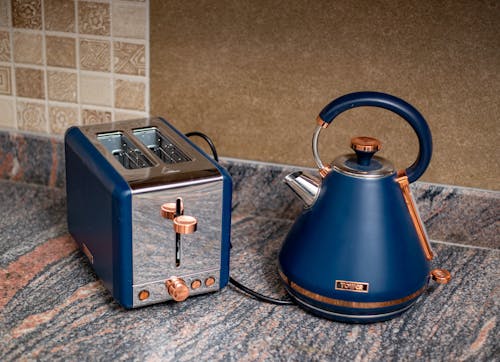
Appliances don’t exist in isolation. They compete for space with everything else in a home.
Typical constraints include:
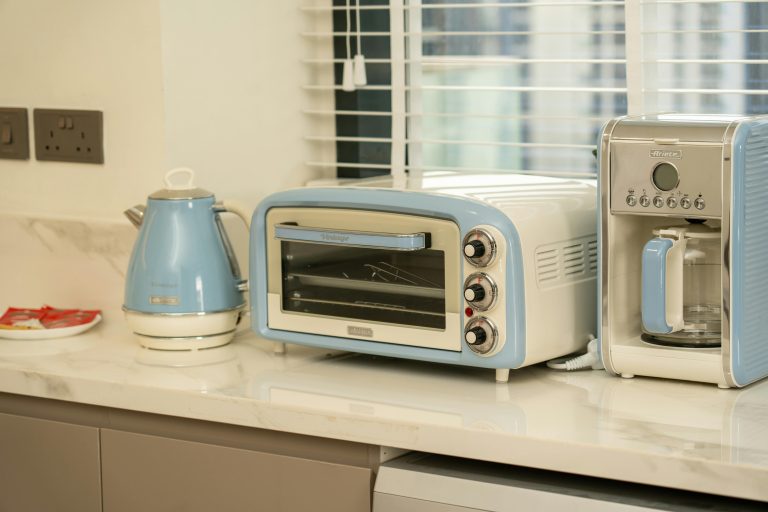
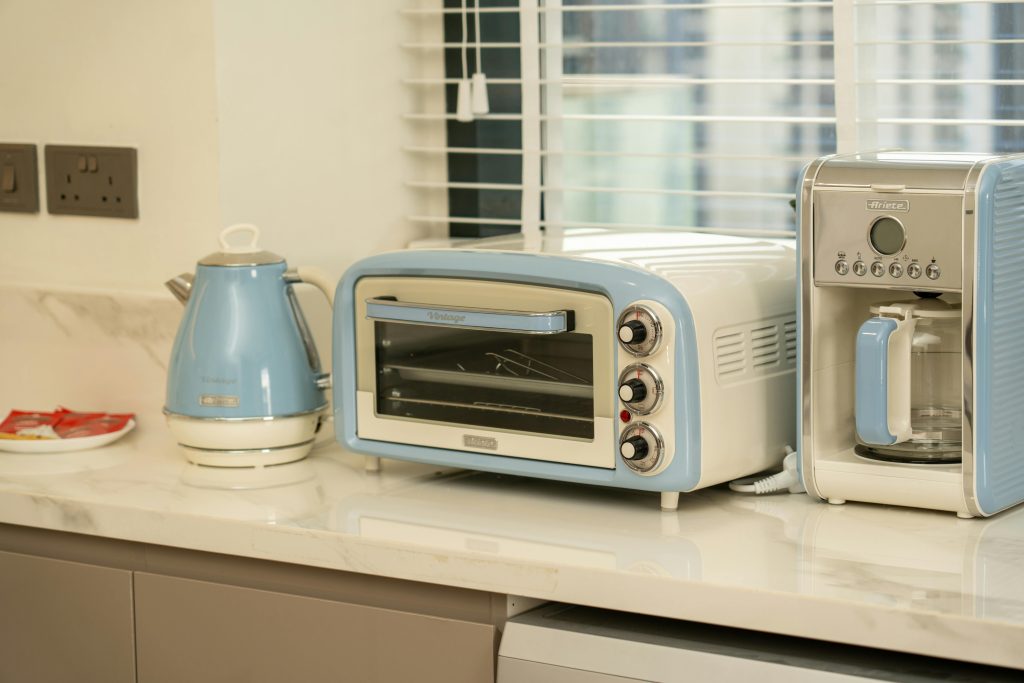
- limited kitchen counter space
- shared storage areas in utility rooms
- tight layouts in smaller flats
A larger appliance may offer more capacity, but if it restricts movement or reduces usable space, the trade-off becomes noticeable every day.
Conclusion
Most frustrations with home appliances don’t come from sudden breakdowns, but from small mismatches between how a device works and how daily life actually unfolds. Paying attention to those moments—where time is lost, where noise interrupts, or where maintenance is avoided—naturally leads to better choices over time.
As an Amazon Associate I earn from qualifying purchases.