Fashion has long been a mirror of society—but not always an honest one. For decades, the industry presented a narrow image of beauty and identity. Runways favored certain body types. Retail sizing excluded millions. Gendered categories were rigid. And for people with disabilities, clothing was rarely designed with their lives in mind.
But that’s changing. Slowly, but meaningfully, the definition of fashion is expanding. More designers, brands, and creatives are realizing that clothes aren’t just about trends—they’re about belonging, dignity, and representation. Inclusive fashion is no longer an afterthought. It’s becoming a central part of how style is created, marketed, and experienced.
Beyond Tokenism
One of the first shifts in inclusive fashion is moving from symbolic gestures to genuine integration. In the past, brands might launch a single extended-size campaign or feature one disabled model in a show, only to return to their usual practices the next season. Today, the pressure to do better is real—and it’s coming from the people.
Social media, in particular, has allowed marginalized voices to speak directly to brands, call out inconsistencies, and build their own platforms when they’re not heard. This feedback loop has changed the expectations. It’s not enough to appear inclusive. The work has to be real, ongoing, and structural.
Size Is Not One-Size-Fits-All
The issue of sizing is one of the most persistent in fashion. For too long, “plus-size” collections were kept separate, offered limited styles, and carried an unspoken message: you’re an exception, not the norm. Yet the average clothing size in many Western countries has been far above the traditional “sample size” for years.
Designers are beginning to move past this outdated mindset. Instead of treating larger bodies as an afterthought, some are building sizing inclusivity into their core business. Brands like Universal Standard, Loud Bodies, and Ganni now offer ranges that go well beyond size 14. Others, like Chromat, use their runway shows to celebrate different body types without apology or disguise.
But it’s not just about scaling up garments. Fit, proportion, and comfort matter too. Designing across sizes requires rethinking patterns, materials, and how clothes move on different frames. It’s technical work—but it’s also human work.
Gender Without Borders
Gendered fashion categories are starting to feel less relevant for many consumers, especially younger generations who view identity as fluid rather than fixed. This cultural shift is prompting brands to move beyond traditional men’s and women’s lines.
Unisex and genderless collections are becoming more common—but the best of them do more than remove labels. They consider how different bodies experience clothing, and they design with versatility in mind. Brands like Telfar, Collina Strada, and No Sesso have been leading this charge, not only through their garments but in how they present their campaigns, runways, and collaborations.
At the luxury level, houses like Gucci and Balenciaga have explored gender ambiguity through styling and casting, though their approaches can sometimes feel more conceptual than accessible. The real impact often comes from smaller, independent labels deeply connected to queer and trans communities.
Designing with Disability in Mind
One of the most overlooked areas in fashion has been accessibility for people with disabilities. Adaptive clothing isn’t just a niche category—it addresses the needs of a massive population. And yet, for decades, these needs were ignored or treated as purely medical rather than expressive.
Things are beginning to shift. Brands like IZ Adaptive, Care+Wear, and Tommy Hilfiger’s adaptive line have made strides in creating clothing with magnetic closures, seated-friendly cuts, adjustable hems, and sensory-friendly fabrics. These designs offer practicality without sacrificing style.
Importantly, people with disabilities are not just consumers—they’re also designers, consultants, and models. Advocates like Sinéad Burke, a little person who has worked with major brands to improve accessibility, or Aaron Rose Philip, a model with cerebral palsy, are helping redefine what inclusion looks like from the inside out.
True inclusive design starts by asking the right questions: Can this garment be put on easily? Does it allow for independence? Does it feel good on the body—not just look good?
Representation Matters—But It’s Just the Start
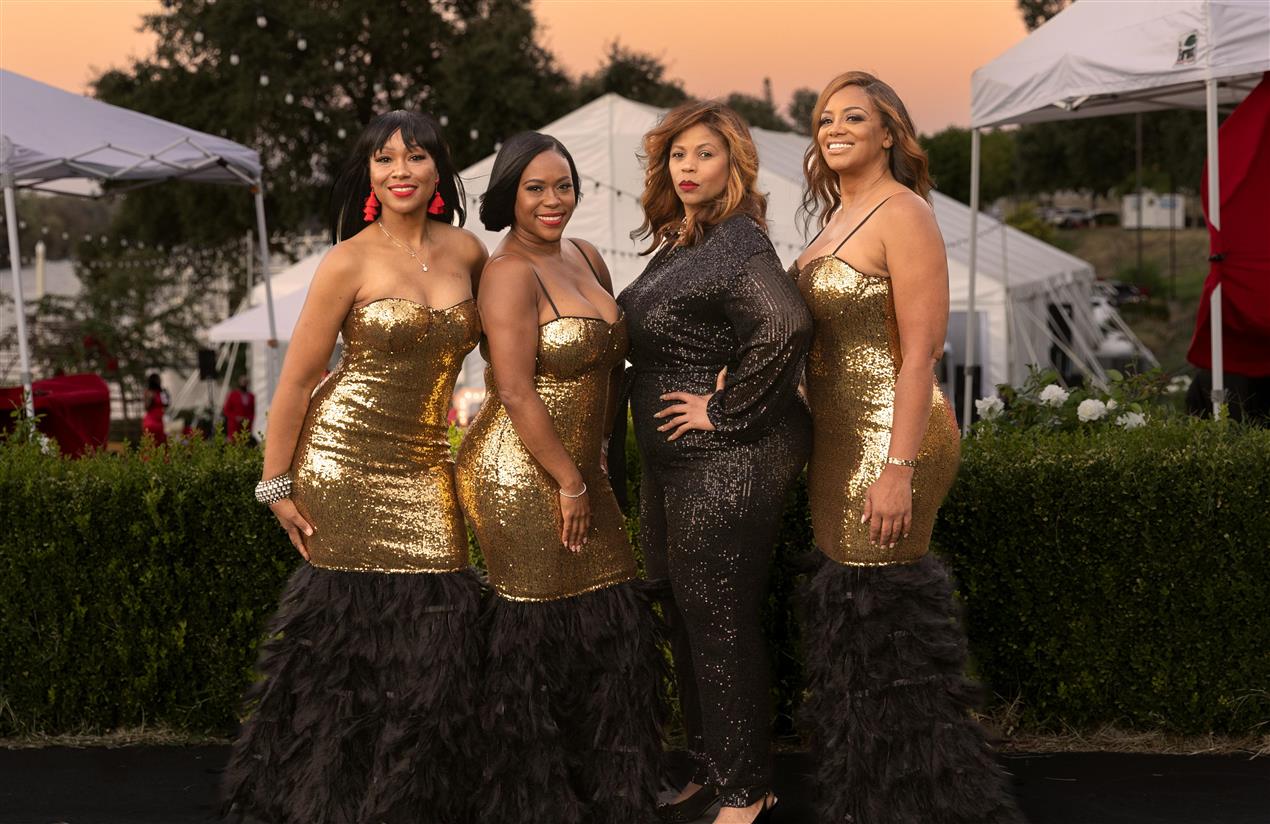
Representation on runways, in campaigns, and on storefronts is critical. Seeing someone who looks like you in a fashion ad sends a powerful message: you belong here. It challenges the industry’s long-held ideals and broadens the image of who fashion is for.
However, visual representation is just one layer. The deeper challenge lies in the system—who gets to design, who makes decisions, and who benefits from the success of the industry. Inclusive fashion means hiring disabled creatives, trans models, plus-size designers, and BIPOC leadership—not just using their faces in a photo shoot.
It also means making fashion physically accessible. That includes adaptive changing rooms, inclusive e-commerce experiences, and language that doesn’t assume a one-size-fits-all buyer.
Moving Forward: Inclusion as Standard, Not Strategy
Inclusion shouldn’t be framed as a trend or a marketing tactic. It’s not a box to check or a PR strategy. It’s a necessary recalibration of an industry that has, for too long, excluded too many.
As younger consumers demand transparency, ethics, and real representation, brands that fail to adjust will be left behind. Inclusivity isn’t only the right thing to do—it’s what people are asking for. And not just once, but consistently.
What makes fashion powerful is its ability to express identity, culture, and emotion. But that only works when everyone has access—not just to clothes that fit, but to the respect and dignity that come with being seen.
Final Thoughts
Inclusive fashion isn’t about being politically correct. It’s about reflecting reality. People come in all shapes, sizes, abilities, and identities. When fashion acknowledges that—not just in words, but in practice—it becomes more than just an industry. It becomes a space where people can feel at home.
The future of fashion isn’t narrow. It’s wide open.